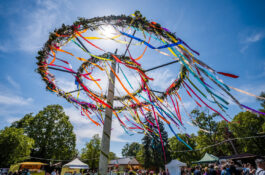
VÁROSI MAJÁLIS – 2024


Mellékletek: 1.sz. melléklet Pályázati adatlap 2.sz. melléklet Átláthatósági nyilatkozat 3.sz. melléklet Bérleti szerződés 4.sz. melléklet Helyszínrajz 5.sz. melléklet Alaprajz 6.sz. melléklet Műszaki leírás 7.sz. melléklet Fotódokumentáció
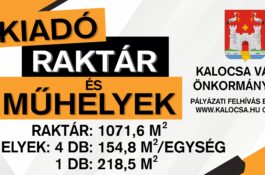
Letölthető mellékletek: 1.sz. melléklet Pályázati adatlap 2.sz. melléklet Nyilatkozat 3.sz. melléklet Átláthatósági nyilatkozat 4.sz. melléklet Bérleti szerződés 5.sz. melléklet Helyszínrajz 6.sz. melléklet Földszinti alaprajz 7.sz. melléklet Emeleti alaprajz 8.sz. melléklet Műszaki leírás 9.sz. melléklet Fotódokumentáció az egységekről 9.sz. melléklet Fotódokumentáció az egységekről
LAKOSSÁGI FELHÍVÁS TÁJÉKOZTATJUK A TISZTELT LAKÓKAT ÉS ÉRINTETTEKET, HOGY KALOCSA VÁROS KÖZTERÜLETEIN SZÍVÓ-RÁGÓ KÁRTEVŐK ELLENI PERMETEZÉST FOGUNK VÉGEZNI AZ ALÁBBI IDŐPONTBAN: 2024.április 26. esti órákban, várhatóan 21:00-03:00 óra között. KÉRJÜK A MEGADOTT IDŐINTERVALLUMBAN AZ ABLAKOKAT CSUKJÁK BE! A PERMETEZÉS ELVÉGZÉSE SAJNOS ERŐS ZAJHATÁSSAL JÁR, EZÉRT ELŐRE IS ELNÉZÉSÜKET KÉRJÜK! A FELHASZNÁLÁS SORÁN KIJUTTATANDÓ […]
HIRDETMÉNY Értesítjük a Tisztelt Lakosságot, hogy 2024. május 10. napján a MÁV Zrt. Pályavasúti Területi Igazgatóság Miskolc Területi Pályalétesítményi Osztály Pályafenntartási Főnökség Miskolc Gyomirtási Szakasz Miskolc által kezelt közforgalmú vasútvonalakon és a kapcsolódó ipar, valamint vontató vágányokon, illetve rakodó területeken és telephelyeken vegyszeres gyomirtást végez, amely Kalocsa Város bel és külterületét is érinti. A gyomírtásra […]
Tájékoztatás a városi kitüntető díjakra való javaslattétel szabályairól A helyi kitüntető díjak alapításáról szóló Kalocsa Város Önkormányzata 24/2013 (XII.19.) önkormányzati rendelete 7. §-ra alapján városi kitüntető díjakra lehet javaslatot tenni az alábbiak szerint: A “Kalocsa Városért – Csáky Imre Díj”-ra és a szakmai kitüntető díjakra javaslatot tehetnek: – a képviselő-testület tagjai, bizottságai, jegyző, – kalocsai szakmai, civil […]



HIRDETMÉNY Kalocsa Város Óvodája és Bölcsődéje intézményébe a 2024/2025. nevelési évre történő óvodai beiratkozás IDŐPONTJA: 2024.04.22. – 2024.04.26. Hétfő: 800 – 1600 Kedd: 800 – 1600 Szerda: 800 – 1600 Csütörtök: 800 – 1600 Péntek: 800 – 1200 HELYSZÍN: Kalocsa Város Óvodája és Bölcsődéje 6300 Kalocsa, Petőfi Sándor u. 26. Bejárat az Erkel […]